
What It Is
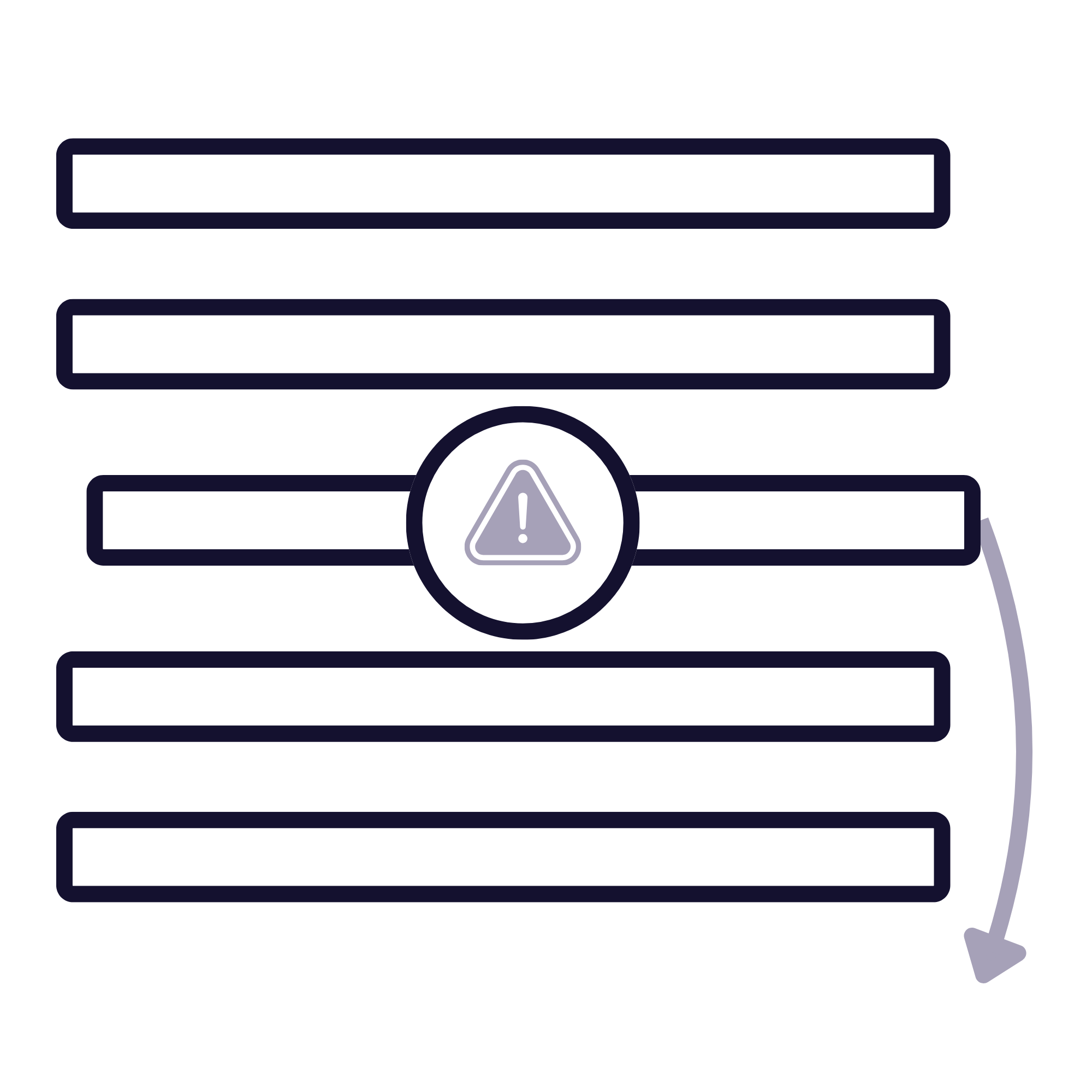
Downranking content in users’ feeds that expresses hostility, particularly toward other groups, or that may be otherwise politically toxic. This can include posts and comments marked by insults, identity attacks, fearmongering, scapegoating, moral outrage, and antidemocratic or strongly partisan attitudes. Some versions of the intervention may also uprank “civil” content, such as posts that show compassion, respect, or curiosity.
Civic Signal Being Amplified
When To Use It
What Is Its Intended Impact
By reducing exposure to how often users encounter hostile and antidemocratic content, users will in turn feel less hostility towards members of other political groups.
Evidence That It Works
Evidence That It Works
Two field experiments, each conducted on social media platforms around the 2024 U.S. election, found that downranking toxic content can reduce hostility between members of opposing political groups.
Piccardi et al. (2025) conducted a ten day experiment with X users who first installed a browser extension that could change the order of the posts in their X feeds. After a three day baseline period, study participants were randomly assigned to either have posts with high levels of antidemocratic attitudes and partisan animosity ("AAPA") downranked in their feed (reducing their exposure from about 10% of posts to 1%) or to have no changes made. (A third group had more AAPA content inserted into their feeds.) After a week, participants with reduced AAPA content felt about 2 degrees less "cold" toward counterpartisans, as measured by a 100 point "feeling thermometer" that is commonly used by researchers who study affective polarization. (Note: all effects we include are statistically significant, unless otherwise stated.)
The authors note that the study was conducted during a particularly heated week in a presidential election season, which included the attempted assassination of one candidate and the resignation of another. Study participants were also limited to X users whose feeds normally had at least 5% political content (about 75% of the participants that were initially recruited). Consequently, they note any effects on downranking AAPA content may be limited to more politically interested X users in tense political times.
In a similar application, Stray et al. (2026) ran a larger and longer independent field experiment across Facebook, Reddit, and X, also using a browser extension to re-rank participants’ feeds. One of the algorithms they tested used Google Jigsaw’s content classifiers to both downrank anti-social content and uprank content showing civility. Compared with a control feed, this algorithm reduced partisan animosity by approximately 0.04 standard deviations (Note: we report effect sizes using the metrics in the authors’ paper.) Notably, a separate algorithm tested by Stray et al. (2026) only upranked civil content, which did not significantly reduce affective polarization, suggesting that downranking toxic content is the portion of the intervention contributing to the observed reduction.
In spite of the short duration of the Piccardi et al. (2025) study, and the fact both studies were conducted during a unique time, we see strong evidence that platforms can effectively reduce partisan animosity by downranking toxic political content.
Why It Matters
While political disagreement and fiercely fought political battles are unavoidable or even healthy in a pluralist society, political scientists often warn that certain partisan and antidemocratic attitudes create "bipartisan threats to the healthy functioning of democracy" (Piccardi et al. (2025). By reducing exposure to such attitudes, platforms can foster healthier, less toxic, political disagreement.
Special Considerations
Piccardi et al. (2025) note that reducing AAPA in participants' X feeds also had the effect of reducing time those users spent on the platform, although those participants had the same number of sessions and retweets as well as greater engagement with the posts they saw.